
1551da5805bed77890f9e53b54ec2088 d8c14397054ac260e95c60d43c551488Skip to main content

Multifocal and EDOF intraocular lenses

Multifocal and EDOF intraocular lenses

In some cases, the desire to be less dependent on glasses is strong. Under certain conditions, the use of a multifocal intraocular lens with multiple focal points may be considered. This can enable sharp distance and near vision without glasses. However, these lenses also have disadvantages, such as reduced contrast sensitivity, increased glare sensitivity and halos around light sources at night. The advantages and disadvantages are explained in detail during a comprehensive consultation.

A newer category of intraocular lenses with increased depth of focus — so-called EDOF lenses (Enhanced Depth of Field) — represents an interesting alternative to conventional multifocal lenses. With these lenses, the depth of focus is increased through a modified optical design, allowing good distance and intermediate vision (arm’s-length distance) without the often disturbing side effects of multifocal lenses. With a deliberate slight difference in target refraction between the eyes, acceptable reading without glasses may even be possible in good lighting conditions.

Prof. Findl has conducted numerous studies on these topics which have been published internationally (see list below) and is considered an international expert in this field. Prof. Findl was also the first surgeon in Austria to use EDOF intraocular lenses, including the PureSee IOL from Johnson & Johnson, which is currently likely one of the best IOLs in this segment.

Prof. Findl uses multifocal and EDOF intraocular lenses from a wide range of manufacturers and is the author of several international publications on this topic. He regularly lectures on specialty lenses at international congresses and is also co-author of the new international nomenclature and classification of presbyopia-correcting intraocular lenses.
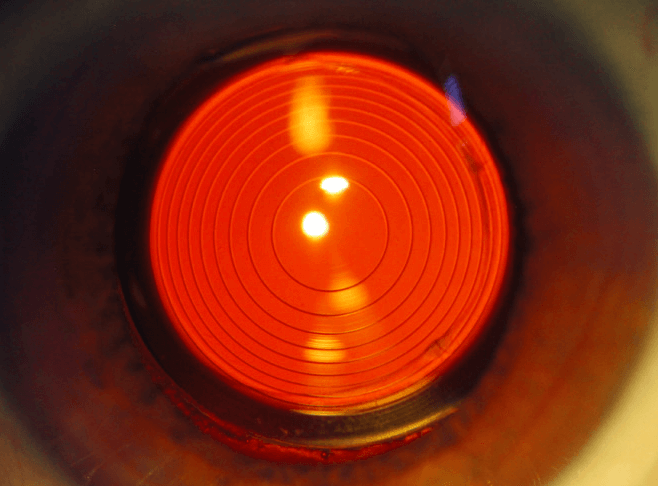
EDOF IOL

Enhanced monofocal (“monofocal-plus”) intraocular lenses

In addition to multifocal and EDOF intraocular lenses, Prof. Findl has also used so-called enhanced monofocal (“monofocal-plus”) intraocular lenses as his standard for several years. Compared with classic monofocal lenses, these lenses provide a slightly extended depth of focus with very high image quality. Prof. Findl was the first surgeon in Austria to implant this lens category and has conducted scientific studies on it and published internationally.

In monovision, the eyes are intentionally set slightly differently: the dominant eye is targeted for the sharpest possible distance vision, while the non-dominant eye is left mildly myopic.

With moderate monovision, the difference is about −1.0 to −1.5 dioptres; with mini-monovision about −0.5 to −1.0 dioptres. This allows many patients to see well at distance and intermediate range (arm’s length) without glasses while usually maintaining stereoscopic/depth vision. For prolonged reading, however, reading glasses are usually still required.

Selecting the appropriate intraocular lens

Selecting the appropriate intraocular lens requires careful individual assessment of anatomical conditions, visual habits and personal expectations. Not every lens is equally suitable for every patient. Therefore, thorough diagnostics and a personal consultation always come first, during which opportunities, limitations and possible compromises are openly discussed. The aim is to find a solution together that is both medically reasonable and satisfactory in everyday life. Prof. Findl contributes his extensive clinical experience and scientific expertise to develop an individually optimised lens strategy.

Selected publications by Prof. Findl on specialty lenses

Frequently asked questions about multifocal & EDOF intraocular lenses

What are multifocal intraocular lenses?

Multifocal intraocular lenses are IOLs with multiple focal points that allow simultaneous sharp distance and near vision. Prof. Findl has used multifocal lenses for many years and has scientifically investigated their advantages and disadvantages in numerous international studies.

What disadvantages can multifocal intraocular lenses have?

Multifocal lenses may be associated with reduced contrast sensitivity, increased glare sensitivity and halos around lights at night. Prof. Findl therefore places great emphasis on careful patient selection and detailed counselling to create realistic expectations.

What are EDOF intraocular lenses?

EDOF intraocular lenses (Enhanced Depth of Field) are modern lenses with increased depth of focus that provide particularly good distance and intermediate vision (e.g. computer or arm’s-length distance). Prof. Findl was the first surgeon in Austria to implant EDOF lenses and is considered an international expert in this field.

Do EDOF lenses have fewer side effects than multifocal lenses?

In many cases yes. EDOF lenses usually cause less glare and fewer disturbing halos than classic multifocal lenses. Prof. Findl has investigated this topic in randomised studies and explains transparently which lens strategy is individually appropriate.

Can I read without glasses with EDOF lenses?

EDOF lenses are primarily optimised for distance and intermediate range (approx. 60–80 cm). Through a targeted strategy such as mild micromonovision (one eye left slightly myopic), acceptable reading without glasses can often be achieved in good lighting. Prof. Findl routinely applies and scientifically evaluates these techniques.

What are “enhanced monofocal” or “monofocal-plus” lenses?

Enhanced monofocal intraocular lenses are advanced monofocal lenses with slightly extended depth of focus and very high image quality. Prof. Findl was the first surgeon in Austria to implant this lens category and uses it as his standard lens.

Am I suitable for multifocal or EDOF intraocular lenses?

Not every patient is suitable for every lens type. Anatomical factors, visual habits and personal expectations play a central role. Prof. Findl therefore always performs comprehensive diagnostics and a personal consultation before making a recommendation.

How is the decision made for the right intraocular lens?

The process begins with detailed examinations and analysis of your daily visual needs. Prof. Findl then explains the different options, their benefits and possible compromises, in order to determine an individually suitable lens strategy together.

What experience does Prof. Findl have with specialty lenses?

Prof. Findl has decades of clinical experience with multifocal, EDOF and enhanced monofocal intraocular lenses. He is the author of numerous international publications, regularly lectures at major congresses and co-authored the new international nomenclature of presbyopia-correcting intraocular lenses.

What is monovision in cataract surgery?

In monovision, one eye is corrected for distance and the other intentionally left slightly myopic. With mini-monovision (approx. −0.5 to −1.0 D) or moderate monovision (approx. −1.0 to −1.5 D), many patients can see well at distance and intermediate range without glasses while usually maintaining depth perception; reading glasses are still typically required. Prof. Findl discusses individually whether this concept is suitable.

Is access to new or innovative lens models available?

Yes. Through his scientific work and international collaboration, Prof. Findl often has access to new lens models within clinical studies, sometimes before they are widely available in Austria. Patients may therefore benefit from the latest developments.